

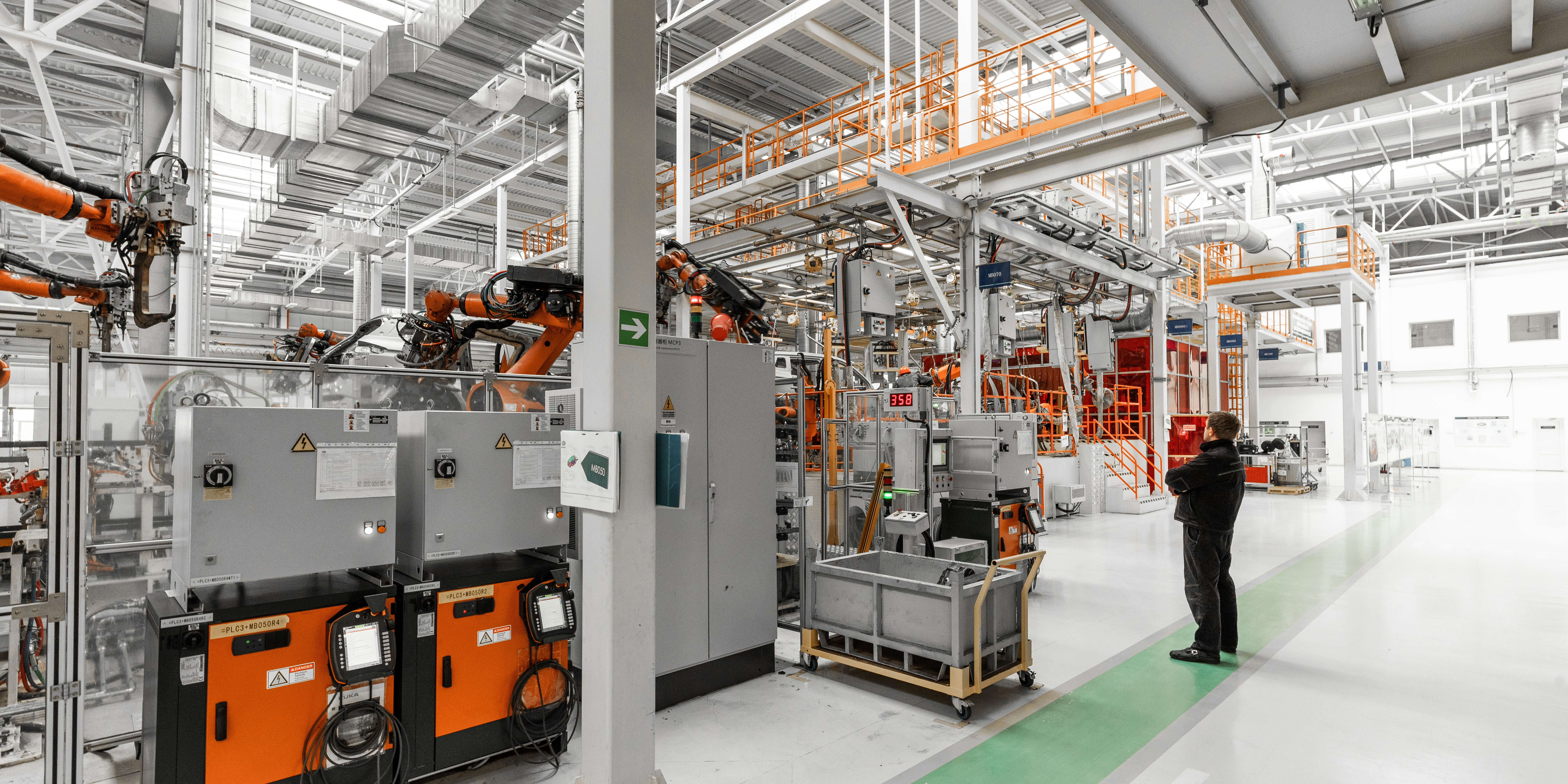
The Australian industrial and trades industry is a rapidly evolving sector that demands the right combination of technical know-how and personal attributes.
While technical skills and expertise are undeniably essential, the significance of soft skills cannot be overstated. In today’s article, we will delve into the critical role of soft skills in the Australian industrial and trades industry and shed light on how they contribute to the success of professionals in this dynamic field.
1. Communication Skills:
Effective communication is key in any industry, but it holds particular value in the industrial and trades sector. Clear and concise communication skills allow professionals to interact seamlessly with colleagues, clients, and stakeholders. Industries such as construction, manufacturing, and engineering require effective communication to relay information accurately, interpret client requirements, collaborate with team members, and resolve conflicts. Professionals who possess excellent communication skills are more likely to deliver high-quality work and achieve a higher level of customer satisfaction.
2. Teamwork and Collaboration:
Success in the industrial and trades industry often relies on collaborative efforts. Teamwork is crucial for completing projects efficiently, meeting deadlines, and ensuring safety on construction sites. Soft skills such as the ability to work well in a team, adaptability, and flexibility foster a positive work environment. Collaboration encourages the pooling of diverse ideas, allows professionals to learn from each other, and leads to innovative problem-solving. Professionals who demonstrate strong teamwork skills are more likely to contribute to the overall success of their projects and create a harmonious workplace atmosphere.
3. Problem-Solving Abilities:
In the industrial and trades industry, professionals frequently encounter complex challenges and unexpected obstacles. Possessing strong problem-solving abilities is vital for effectively tackling these issues. Soft skills such as critical thinking, creativity, and adaptability enable professionals to analyze problems, identify potential solutions, and implement effective strategies. Problem-solving skills contribute to increased efficiency, improved quality of work, and a reputation for delivering results. Professionals who demonstrate exceptional problem-solving abilities will find themselves in high demand across various sectors of the industry.
4. Time Management and Organization:
The Australian industrial and trades industry operates within strict timelines and budget constraints. Professionals must possess excellent time management and organizational skills to ensure projects are completed successfully. Soft skills like prioritization, attention to detail, and multitasking help individuals meet deadlines, manage resources efficiently, and maintain project schedules. Effective time management and organization contribute to improved efficiency, reduced costs, and increased client satisfaction.
5. Adaptability and Resilience:
The industrial and trades industry is characterized by constant change, evolving technologies, and challenging work environments. Soft skills such as adaptability and resilience are essential for professionals to thrive in such circumstances. Being adaptable allows individuals to embrace new technologies, learn new skills, and adjust their approach to meet evolving industry demands. Resilience enables professionals to bounce back in the face of setbacks, handle high-pressure situations, and maintain a positive mindset. These skills are indispensable for staying competitive and continuously improving in the dynamic Australian industrial and trades industry.
Conclusion:
While technical expertise is a fundamental requirement in the Australian industrial and trades industry, the significance of soft skills should not be underestimated. Professionals who possess exceptional communication skills, thrive in teamwork environments, exhibit problem-solving abilities, demonstrate effective time management, and possess adaptability and resilience are more likely to succeed in this ever-changing industry. By recognizing the importance of these soft skills and actively cultivating them, individuals can enhance their opportunities for career growth, contribute to the success of their organizations, and establish a strong professional foundation in the Australian industrial and trades industry.